Are Home Scents Raising Your Lung Cancer Risk?
· flipboard.com · popularity 14/100 · 0 similar stories today · Cancer & Oncology (Health & Life Sciences)
Read the original at flipboard.com →
Summary
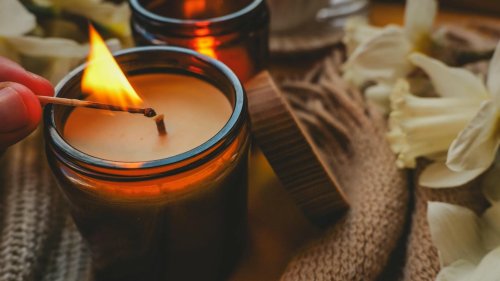
Many people use scented candles, incense, and electric air fresheners to keep their homes smelling pleasant. However, some of these popular choices could be quietly raising your risk of respiratory illness, including lung cancer, the leading cause of cancer deaths worldwide. Burning incense and paraffin wax candles releases airborne particles and volatile organic compounds directly into your living space. According to the Environmental Protection Agency, frequent combustion of these products generates benzene, formaldehyde, and fine particulate matter. Electronic and plug-in air diffusers can also emit synthetic chemical vapors that irritate airways, especially in poorly ventilated rooms. These microscopic pollutants penetrate deep into respiratory pathways and can damage sensitive lung tissue over time. World Health Organization research confirms that long-term exposure to these indoor toxins is linked to an elevated risk of respiratory illness and lung cancer. Fortunately, you do not have to abandon pleasant scents entirely to keep your home healthy. Opting for 100% pure beeswax or soy candles with unbleached cotton wicks significantly reduces hazardous emissions. You can also simmer natural spices like cinnamon and citrus peels on the stove or use pure essential oil passive diffusers. Opening windows regularly remains the simplest and most effective way to protect your lungs while refreshing indoor air.
Found in: Health. Rating basis: single outlet; outlet tier 2 (unlisted); 1 feeds; feed position 26.