Stalin's Five-Year Plans: Collectivising Agriculture & Industrialising the USSR
· worldhistory.org · popularity 30/100 · 0 similar stories today · Goals, Journaling & Reflection (Personal Life & Self-Development)
Read the original at worldhistory.org →
Summary
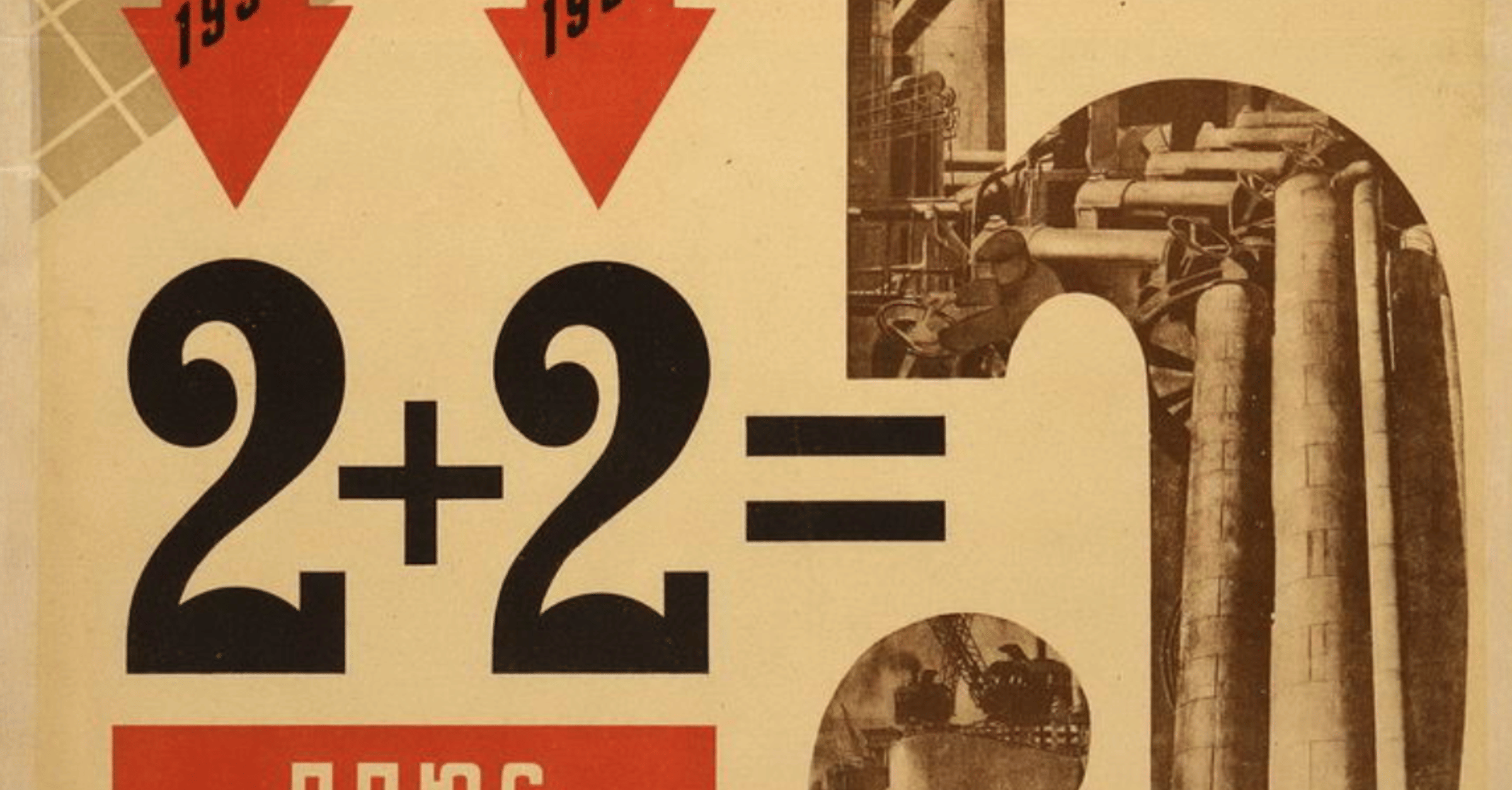
Joseph Stalin's Five-Year Plans (1928-50) were a series of state-led initiatives which aimed to grow the economy of the USSR, rapidly industrialise what was still a largely agricultural state, and collectivise farms to both increase productivity and reduce anti-Communist elements in the countryside. Partially successful in their aims, although never achieving the ambitious targets they set, the four plans under Stalin did transform the USSR into a much more modern and powerful state. Negative consequences of the plans included the Great Famine of the early 1930s, which killed millions, the persecution of the wealthier landowning peasantry (kulaks), a persistently low quality of production, and huge amounts of wasted costs.
Found in: History, World History Encyclopedia. Rating basis: single outlet; outlet tier 2 (unlisted); 2 feeds; listed 2 times; feed position 1.